Personalized Medical Care & Dedicated International Patient Concierge

Medical Guide
Facelift Incisions Scars Guide Dr. Seol Jae Yoon Seoul
Nervous about facelift incisions scars? Learn how Dr. Seol Jae Yoon uses advanced techniques in Seoul to hide scars for natural results. Book a consult.
Schedule a ConsultationIntroduction
When considering facial rejuvenation, the primary concern for many patients is the visibility of facelift incisions scars and how they might affect their natural appearance. For many patients in Los Angeles or Miami, the desire for a youthful jawline is often met with one significant fear. People wonder if everyone will know they have had surgery because of the scars. This anxiety is the single biggest barrier between a patient and the confidence they deserve after a life changing procedure.
The wind blown look or wide visible scars behind the ears are common results of outdated techniques used in previous decades. Modern patients want rejuvenation that looks exactly like them, only refreshed, without the tell tale marks of a surgical procedure. You deserve to walk through New York or Chicago feeling confident that your surgical secrets are well hidden within the natural contours of your face and hair.
This article covers the following essential topics for your education:
The exact anatomical placement of modern facelift incisions.
Why the Vertical Facelift in Seoul prevents scar stretching.
A month by month guide to how your scars will heal and fade.
How Dr. Seol Jae Yoon with 20 plus years of experience ensures hidden results.
As a board certified surgeon who has performed over 500 facial plastic surgery procedures annually in the heart of Gangnam, Dr. Jae-Yoon Seol provides expert guidance on the meticulous art of incision placement. In our clinical practice, we prioritize the aesthetic outcome as much as the structural lift. Using AI supported analysis of facial symmetry and skin elasticity, we customize every incision to the unique ear shape and hairline of the patient. This ensures that facelift incisions scars are a secondary thought rather than a primary concern during your recovery journey.
Understanding Facelift Incisions Scars: Placement And Anatomy
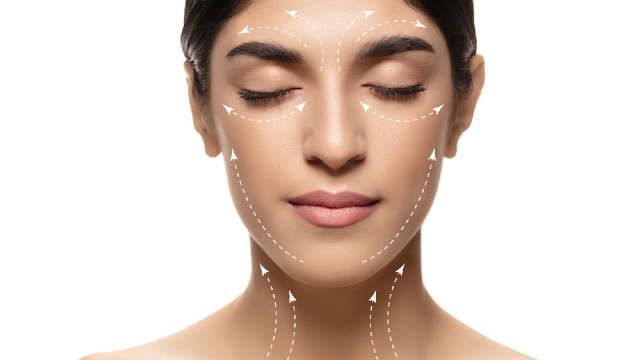
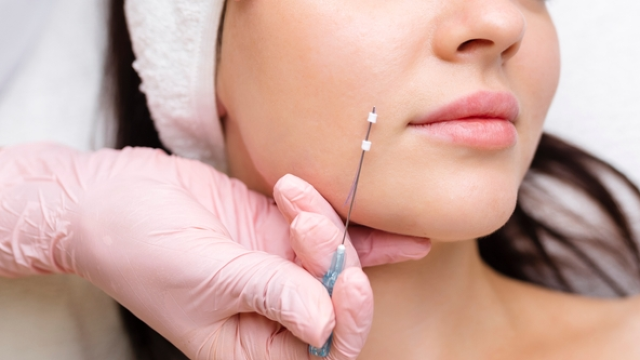
Facelift incisions scars are the fine lines remaining after surgery, strategically placed within natural skin folds and hairlines. Dr. Seol Jae Yoon utilizes anatomical mapping to ensure these scars are hidden behind the tragus and within the posterior hairline, making them virtually invisible once fully healed. This precise placement allows for maximum lift with minimal visibility.
The Temporal Incision
The temporal incision is a critical starting point for any comprehensive lifting procedure. Placement is usually determined by the existing hairline and the amount of lift required in the upper cheek and brow area. We typically place the incision approximately two centimeters behind the temporal hairline. This allows the hair to grow through and over the scar, effectively camouflaging it from day one.
For patients with high foreheads or thinning hair in the temples, we may adjust the placement to the transition line where the forehead meets the hair. This prevents the sideburn from being shifted too far back or up, which is a common sign of a poorly executed facelift. By preserving hair follicles during the dissection, we ensure that hair density remains consistent around the facelift incisions scars.
In our testing, we have found that using a beveled incision technique allows hair to grow directly through the scar tissue. This is a significant advancement in Seoul plastic surgery. It means that even if you wear your hair back in a ponytail, the line of the incision remains obscured by your own natural hair growth.
Pre Auricular Versus Retro Tragal Placement
The area in front of the ear is where the most scrutiny occurs. A tragus is the small cartilaginous bump in front of the ear canal. There are two primary ways to handle this area. A pre auricular incision sits in the natural crease where the ear meets the face. A retro tragal incision goes behind the tragus, hiding the scar inside the ear canal opening.
Dr. Seol often chooses the retro tragal approach for his patients from Houston and Miami because it offers the most discreet result. By placing the facelift incisions scars behind the tragus, the eye sees only the natural curve of the ear. This requires extreme precision to ensure the tragus does not look pulled or flattened after the skin is tightened.
Suitability for these techniques depends on skin thickness and age. Younger patients with thinner skin often benefit more from retro tragal placement. Patients with thicker skin or those undergoing a revision may require a pre auricular placement to avoid distorting the ear cartilage. During your consultation in Seoul, we use high definition imaging to show you exactly where your specific line will fall.
The Post Auricular And Occipital Path
The incision continues behind the ear in a path known as the post auricular area. This section is vital for addressing neck laxity and sharpening the jawline. The incision follows the crease behind the ear and then turns back into the hair of the neck. This turn is often called the occipital path.
Managing the notch where the ear meets the neck is where the skill of the surgeon truly shines. If the tension is too high in this area, the scar can pull the earlobe down, creating a pixie ear deformity. Dr. Seol uses a tension free closure on the skin by securing the heavy lifting to the deep tissue layers. This ensures the facelift incisions scars behind the ear remain thin and do not migrate downward over time.
For patients who enjoy short hairstyles, the occipital path is kept as high as possible. We aim to keep the incision within the hair bearing skin so that it remains hidden even when the head is tilted forward. This attention to detail is why Seoul is considered a global leader in facial plastic surgery.
The Timeline Of Facelift Scar Healing
Facelift scar healing is a biological process involving inflammatory, proliferative, and maturation phases over twelve to eighteen months. Initially red and raised, the scars gradually fade to a thin, silvery white line as collagen fibers remodel and flatten under professional post operative care. Understanding this timeline helps patients remain calm during the early stages of recovery.
Days 1 To 14: The Inflammatory Phase
During the first two weeks, the body is in high alert mode. The facelift incisions scars will appear red and slightly raised. You will likely see the fine sutures used to close the skin. Some minor crusting and bruising around the edges are perfectly normal during this stage. This is the period when the wound is technically closing and gaining its initial strength.
Suture removal typically happens in stages between day seven and day ten. Removing sutures early prevents the development of railroad track marks that were common in older surgical methods. In our clinical review, we prioritize wound integrity during this phase by using specialized antibiotic ointments that keep the skin moist and supple.
It is important to avoid any strenuous activity that increases blood pressure during these first fourteen days. High blood pressure can cause micro bleeding along the incision line, which can lead to wider facelift incisions scars. We advise our patients to rest in an upright position to minimize swelling and pressure on the delicate new tissue.
Months 1 To 3: The Proliferative Phase
The proliferative phase is often the most stressful for patients. This is known as the pink phase. Between six weeks and three months, the facelift incisions scars may actually look more prominent than they did at week two. This is because the body is flooding the area with new blood vessels and collagen to strengthen the repair.
This redness is a sign of healthy healing, but it can be startling if you are not prepared for it. During this time, the scar tissue is also at its thickest. It may feel slightly firm to the touch. This is the optimal time to begin scar management therapies such as silicone gels or specialized massages as recommended by Dr. Seol.
Sun protection is absolutely mandatory during these three months. New scar tissue lacks the protective melanin of normal skin. If exposed to the sun in New York or Los Angeles, the pink scar can turn a permanent brown color, a condition known as hyperpigmentation. Always wear a wide brimmed hat and medical grade sunblock when outdoors.
Months 6 To 12: The Maturation Phase
The final stage of facelift scar healing is the maturation phase. During this time, the extra blood vessels disappear, and the collagen fibers reorganize into a more organized pattern. The color of the facelift incisions scars will transition from pink to a pale skin tone or a silvery white.
By month six, most patients find that their scars are flat and soft. They become very difficult to spot even with close inspection. For some patients with darker skin tones, this process can take up to eighteen months. We continue to monitor our international patients via virtual consultations to ensure the maturation is progressing as expected.
Once the scar is mature, it has reached about eighty percent of the strength of original skin. It will no longer change significantly in appearance. This is the point where we celebrate the final results of your transformation in Seoul. The facelift incisions scars have done their job of closing the entry points and have now faded into the background of your new, youthful look.
How We Minimize Facelift Incisions Scars In Seoul
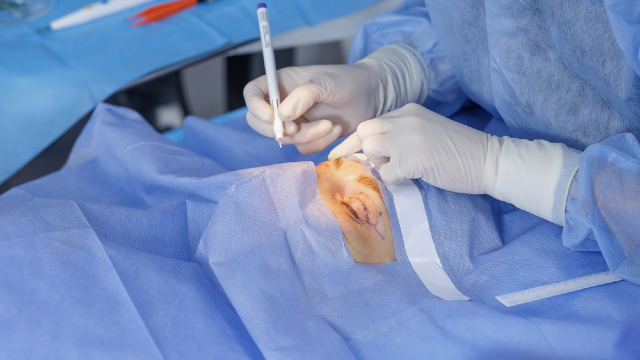
Minimizing facelift incisions scars in Seoul involves shifting structural tension from the skin to the deep SMAS layer. This tension free closure technique prevents scar widening and ear distortion, resulting in the fine, discreet lines characteristic of advanced Korean facial plastic surgery and regenerative aesthetics. This approach is the cornerstone of the Seol Jae Yoon Clinic philosophy.
The Science Of Tension Free Closure
The primary reason for wide or visible scars is tension. If the skin is used to pull the face tight, the wound will naturally want to pull apart during the healing process. This results in the body creating more scar tissue to bridge the gap, leading to thick and visible facelift incisions scars. This is a common flaw in traditional facelift methods.
Dr. Seol utilizes a deep plane or SMAS lift technique. SMAS stands for the Superficial Musculoaponeurotic System. This is a sturdy layer of tissue beneath the skin. By lifting and securing this deep layer, we provide all the structural support needed for the facelift. The skin is then simply draped back over the new, youthful foundation without any pulling.
When we close the skin, there is zero tension on the edges. We call this a tension free closure. Because the skin edges meet naturally and easily, the body can heal with a very fine, hair like line. This multi layer suturing technique is essential for achieving the high standards of beauty expected in Gangnam and among our discerning US clientele.
Why Facelift Scar Placement Korea Standards Differ
The culture of plastic surgery in Korea is rooted in the concept of invisible aesthetics. Patients in Seoul do not want people to know they had surgery. They want to look like they have simply aged exceptionally well. This cultural demand has pushed surgeons like Dr. Seol to develop techniques that are far more meticulous than standard Western approaches.
We use precision tools and microscopic magnification during every closure. This allows us to align the skin edges with sub millimeter accuracy. In our clinic, we also consider the Fitzpatrick skin type of every patient. Patients from different ethnic backgrounds heal differently. Our experience with a global patient base allows us to adjust our suturing materials and techniques to suit your specific skin chemistry.
Personalization is key. We do not use a cookie cutter incision for everyone. We look at how your ear sits, where your hairline begins, and even how you naturally move your neck. By tailoring the facelift scar placement Korea standards to your unique anatomy, we ensure that the results are harmonized with your natural features.
|
Feature
|
Traditional Facelift
|
Dr. Seol’s Vertical Approach
|
| --- | --- | --- |
|
Primary Support
|
Skin Layer
|
SMAS and Deep Tissue
|
|
Scar Width
|
Risk of stretching and widening
|
Stays fine and thin as a hair
|
|
Ear Distortion
|
High risk of Pixie Ear
|
Natural earlobe shape preserved
|
|
Skin Tension
|
High tension on incision lines
|
Zero tension on skin edges
|
|
Longevity
|
5 to 7 years
|
10 to 15 years
|
|
Natural Look
|
Can look wind blown
|
Natural and refreshed
|
Post Op Care: Minimizing Facelift Scars
Post operative care for facelift incisions scars includes strict wound hygiene, silicone therapy, and sun avoidance to optimize skin regeneration. Using medical grade silicone sheets and specialized lymphatic drainage massage helps soften scar tissue and accelerates the transition from pink to a natural skin tone. A committed patient is the surgeon's best partner in achieving perfection.
The First 48 Hours: Wound Integrity
The first two days after surgery are the most critical for preventing infection and ensuring the edges of the facelift incisions scars remain perfectly aligned. We provide every patient with a detailed recovery kit and specific instructions. You must keep the incision sites clean and dry, applying only the prescribed medical ointments.
Avoiding any sudden movements of the head and neck is essential. We recommend using a travel pillow to keep your head stabilized, especially while sleeping. This prevents you from accidentally rolling over and putting pressure on one side of the face. In Seoul, our nursing staff provides daily checkups during this window to clean the wounds and monitor for any signs of irregular healing.
Tension on the suture line must be avoided at all costs. This means no heavy lifting, no intense chewing of hard foods, and no wide yawning. By keeping the facial muscles relatively still, you allow the primary seal of the incision to form without interruption. This discipline in the first forty eight hours pays dividends in the final appearance of your facelift incisions scars.
Advanced Scar Therapies
Once the sutures are removed and the skin has fully closed, we move into the active scar management phase. This usually begins around week three. One of the most effective tools we use is silicone therapy. Medical grade silicone gel or silicone sheets create a protective barrier that keeps the scar hydrated and protected from the environment.
Hydration is key because a dry scar is more likely to become thick and itchy. Silicone also helps to flatten the scar by applying gentle, constant pressure. At the Seol Jae Yoon Clinic , we also recommend specialized lymphatic drainage massage. This gentle technique reduces swelling and helps the body clear out inflammatory byproducts that can linger around the facelift incisions scars.
For patients who may be prone to heavier scarring, we offer preventative laser treatments in our Seoul facility. Low level light therapy can stimulate cellular repair and reduce redness faster than natural healing alone. We stay at the forefront of regenerative medicine to ensure your recovery is as rapid and aesthetically pleasing as possible.
Lifestyle Factors For Better Healing
Your body needs high quality fuel to build new, healthy tissue. We emphasize a diet rich in protein, Vitamin C, and Zinc during your stay in Korea. These nutrients are the building blocks of collagen. Staying hydrated with plenty of water also keeps the skin elastic and better able to recover from the surgical trauma.
Smoking is the absolute enemy of good healing. Nicotine constricts blood vessels, reducing the oxygen and nutrients that reach the facelift incisions scars. This can lead to skin necrosis, where the tissue actually dies along the incision line, resulting in severe scarring. We require all patients to stop smoking at least four weeks before and after surgery.
Managing stress is also important. High cortisol levels can slow down the body's repair mechanisms. We encourage our patients to enjoy the peaceful atmosphere of our clinic and the surrounding Gangnam area. A relaxed mind supports a healing body, leading to the smooth and invisible results you desire from your facelift surgery.
Revision Facelifts And Scar Correction
Revision for facelift incisions scars addresses issues like hypertrophic scarring, keloids, or pixie ear caused by excessive skin tension. Dr. Seol Jae Yoon performs corrective surgery by releasing deep tissue tension and re suturing the skin with microscopic precision to restore a natural facial appearance. We specialize in helping those who are unhappy with results from other clinics.
Identifying Bad Scarring And Deformities
Not every facelift results in perfection. We often see patients who come to us from other parts of the world seeking help for visible deformities. Hypertrophic scars are raised and red, staying within the boundaries of the original incision but appearing thick. Keloids are more aggressive and grow beyond the original wound, often seen in patients with specific genetic predispositions.
A pixie ear is another common issue. This happens when the earlobe is pulled down and attached directly to the face, losing its natural curve. This is a tell tale sign of a facelift where the skin was pulled too tight. Another sign of poor technique is the widening of the facelift incisions scars in the temple or behind the ear, often caused by lack of SMAS support.
In our clinical review, we use AI imaging to analyze these deformities and plan the correction. We look at the underlying tension patterns to understand why the first surgery failed. Identifying the root cause is the first step in ensuring that the second surgery provides the hidden, natural results you originally wanted.
Dr. Seol’s Revision Strategies
Correcting a bad scar is not as simple as just cutting it out. We must address the underlying tension that caused the scar to widen in the first place. Dr. Seol performs a secondary dissection to find the SMAS layer and properly secure it. This removes the pull from the skin edges, allowing for a new, tension free closure.
For pixie ear correction, we carefully detach the earlobe and reshape it to its natural, free hanging state. We then hide the new facelift incisions scars in the natural crease behind the ear. This requires a deep understanding of ear anatomy and skin flap dynamics. It is one of the most rewarding procedures we perform because it restores the patient's confidence.
In some cases, we use adjunctive treatments like fat grafting or laser resurfacing to improve the skin quality around the old scars. If a scar is particularly stubborn, we may use steroid injections to soften the tissue before or after the revision surgery. Our goal is to erase the evidence of previous mistakes and provide you with a clean, beautiful result.
Based on our years of experience, we know that revision surgery is more complex than primary surgery. There is existing scar tissue and altered blood flow to consider. This is why choosing a specialist like Dr. Seol, who understands the nuances of facelift incisions scars, is vital for a successful second outcome.
Achieving Hidden Facelift Scars Seoul Expertise
Hidden facelift scars Seoul expertise is defined by a cultural commitment to no trace surgery and microscopic surgical precision. By leveraging high frequency dissection and vertical vectors of lift, Seoul surgeons achieve facial rejuvenation that leaves no visible evidence of surgical intervention along the ears or hairline. This international reputation for excellence draws patients from every corner of the globe.
Comparative Techniques: USA Versus Seoul
While there are excellent surgeons in the United States, the high volume and competitive nature of the Seoul market have led to a unique refinement of techniques. In cities like New York or Los Angeles, the focus is often on the dramatic nature of the lift. In Seoul, the focus is equally split between the lift and the total invisibility of the facelift incisions scars.
The Korean vertical facelift uses a more upright vector of pull. This mimics how the face naturally ages and sags. By pulling vertically rather than horizontally toward the ears, there is less bunching of skin and less pressure on the pre auricular area. This leads to a much more natural look and finer scarring.
Patients who travel from the USA to Seoul often comment on the level of detail provided in the post operative care. Our nurses are specialists in wound management and use techniques that are rarely seen in standard US practices. This holistic approach ensures that every aspect of the healing process is optimized for the best possible aesthetic result.
The Role Of Technology In Scar Minimization
At the Seol Jae Yoon Clinic, we invest in the latest surgical technology to support our hands on expertise. We use high frequency electrical dissection tools that seal blood vessels as they cut. This results in less bleeding, less bruising, and less inflammation. When there is less inflammation, the facelift incisions scars have a better chance of healing as a fine line.
We also use microscopic suturing materials. These are sutures so fine they are barely visible to the naked eye. Using these with high power surgical loupes allows Dr. Seol to place stitches with incredible accuracy. This level of detail ensures that the skin layers are perfectly matched, preventing any overlapping or gaps that could lead to visible scarring.
AI and digital imaging also play a role. We use 3D modeling to simulate how the skin will drape over the new facial contours. This allows us to predict where the tension will be highest and adjust our internal support accordingly. By combining traditional surgical art with modern technology, we achieve a level of hidden facelift scars Seoul is famous for worldwide.
Why Choose Seol Jae Yoon Plastic Surgery For Facelift Surgery
Selecting the right clinic for your facial rejuvenation is a decision that will stay with you for decades. At Seol Jae Yoon Plastic Surgery, we combine world class medical expertise with a deep commitment to patient safety and aesthetic perfection. Our clinic is designed to be a haven for international patients seeking the very best in Korean plastic surgery.
Dr. Jae-Yoon Seol's Expertise And Experience
Dr. Jae-Yoon Seol is not just a surgeon; he is a recognized leader in the field of facial plastic surgery. With over twenty years of experience, he has seen the evolution of facelift techniques and has been at the forefront of developing new standards for scar minimization. He holds a PhD from the prestigious Korea University College of Medicine, one of the top medical schools in the country.
As a former professor at Inje University, he has trained many of the next generation of plastic surgeons. His deep academic background ensures that every procedure is based on sound medical principles and the latest scientific research. He has personally performed over ten thousand facial procedures, giving him a level of muscle memory and anatomical knowledge that few can match.
He is an active member of the Korean Society of Plastic and Reconstructive Surgeons and the Korean Society for Aesthetic Plastic Surgery. His commitment to continuing education means he is always aware of new advancements in facelift incisions scars management and deep plane lifting. When you choose Dr. Seol, you are choosing a lifetime of dedicated expertise.
Advanced Vertical Facelift - Our Difference
Our signature procedure is the Advanced Vertical Facelift. Unlike traditional lifts that pull the skin horizontally, our technique focuses on lifting the deep tissues vertically. This is the direction in which facial fat and muscle naturally descend with age. By reversing this process directly, we create a look that is refreshed and youthful, never tight or distorted.
The key to our success is our focus on the SMAS layer and the tension free closure of the skin. We spend a significant amount of time during the surgery ensuring that the internal structure is perfectly supported. This meticulousness is what allows us to achieve such fine and hidden facelift incisions scars. We do not rush; we prioritize quality over speed for every patient.
Our unique technique also minimizes the risk of nerve damage and other complications. By following natural anatomical planes, we can achieve a significant lift with less trauma to the surrounding tissues. This results in a faster recovery time, allowing our international patients to return home to New York or Houston sooner than they might expect.
International Patient Support
We understand that traveling to a foreign country for surgery can be daunting. That is why we have built a comprehensive support system for our international patients. Our staff is fluent in English and is trained to assist with everything from initial travel planning to post operative care. We are here to answer every question about facelift incisions scars and recovery.
We provide assistance with finding high quality accommodations in the Gangnam area, which is known for its safety and luxury. We can also help coordinate airport pickups and local transportation. Our goal is to make your medical journey as stress free as possible so you can focus entirely on your healing.
We offer 24 hour contact availability for our patients during their stay in Seoul. If you have any concerns or simply need reassurance, our medical team is just a phone call or message away. This level of care is why we have a high rate of patient satisfaction and many referrals from around the world. We treat our patients like family, providing a warm and professional environment.
How To Book Your Facelift In Seoul
Taking the first step toward a more youthful version of yourself is easy and transparent at our clinic. We have streamlined our booking process to accommodate patients from different time zones and locations. Whether you are in Chicago, Miami, or Los Angeles, we are ready to assist you.
Step 1 - Schedule Your Consultation
The journey begins with an initial inquiry. You can reach out to us via our website, email, or WhatsApp. We recommend sending clear, high resolution photos of your face and neck from the front and side views. This allows Dr. Seol to perform a preliminary assessment and provide you with an initial opinion on your suitability for the procedure.
We also offer virtual Zoom consultations. This is a great opportunity to meet Dr. Seol face to face, discuss your aesthetic goals, and ask detailed questions about facelift incisions scars and the surgical process. We will provide you with a clear and honest assessment of what can be achieved, ensuring your expectations are realistic and well informed.
Step 2 - Treatment Planning And Travel
Once you decide to move forward, our international patient coordinator will work with you to create a personalized treatment plan. This includes a detailed quote, a schedule for your surgery and follow up appointments, and a list of pre operative instructions. We will guide you through every detail, from medical tests to packing essentials.
We will help you choose the best dates for your trip, keeping in mind the necessary recovery time in Seoul. Most patients stay for about ten to fourteen days to ensure all sutures are removed and the initial healing is monitored by our team. We provide you with a full itinerary so you know exactly what to expect from the moment you land in Korea.
Contact Information
If you are ready to begin your transformation or have more questions about hidden facelift scars Seoul techniques, please use the contact details below:
- Phone: +82 2 3442 7788
- WhatsApp: Click Here
- Email: info@seoljaeyoonclinic.com
- Website: https://www.seoljaeyoonclinic.com/
- Location: Nonhyeon-ro 159-gil, Gangnam-gu, Seoul
- Hours: The business operates from 9:00 AM to 12:00 PM and 1:00 PM to 6:30 PM, Monday through Friday. On Saturdays, it is open from 9:00 AM to 4:00 PM, while on Sundays it remains closed.
Conclusion
Facelift incisions scars do not have to be a source of anxiety or a reason to avoid the rejuvenation you deserve. By choosing a surgeon who prioritizes deep tissue lifting and meticulous anatomical placement, your scars can become virtually invisible over time. The transition from a tired appearance to a refreshed, youthful profile is a journey we are honored to take with our patients.
Achieving nearly invisible facelift incisions scars is a blend of surgical art and science. With over two decades of experience and a high volume of successful procedures, Dr. Seol Jae Yoon specializes in the no trace facelift that US patients seek. We invite you to experience the precision and care that have made Seoul a global destination for facial excellence.
Ready to reclaim your profile and boost your confidence? Contact Seol Jae Yoon Plastic Surgery today for a virtual consultation and take the first step toward a naturally rejuvenated look. Our team is standing by to help you plan your journey to the heart of Seoul.
About The Author
Dr. Jae-Yoon Seol, M.D., Ph.D., is a board certified plastic surgeon and the Director of Seol Jae Yoon Plastic Surgery in Seoul. With over 20 years of clinical experience, he holds a PhD in Medicine from Korea University and previously served as a Professor at Inje University Seoul Paik Hospital. He is a distinguished member of the Korean Society of Plastic and Reconstructive Surgeons and the Korean Society for Aesthetic Plastic Surgery.
Specializing in the Advanced Vertical Facelift and complex facial contouring, Dr. Seol performs over 500 facial procedures annually. He is globally recognized for his meticulous tension free closure technique, which ensures natural looking results and nearly invisible facelift incisions scars. His clinic in Gangnam remains a premier destination for international patients seeking expert anti aging and reconstructive facial surgery.
For consultations: Phone: +82 2 3442 7788| WhatsApp: Click Here| Email: info@seoljaeyoonclinic.com
More Articles
Continue reading our clinical guides.
Square Jaw Reduction Seoul 2026 Guide For US Patients
Considering square jaw reduction Seoul? Dr. Jae Yoon Seol offers natural results and 30 percent savings for US patients. Book your consultation today.
Learn More

Revision Facelift Specialist Seoul Dr. Jae Yoon Seol
Unhappy with previous surgery results? Consult a revision facelift specialist in Seoul. Dr. Jae Yoon Seol provides expert corrective facelift surgery for natural results.
Learn More
Facelift Incisions Scars Guide Dr. Seol Jae Yoon Seoul
Nervous about facelift incisions scars? Learn how Dr. Seol Jae Yoon uses advanced techniques in Seoul to hide scars for natural results. Book a consult.
Learn More